Finding Steady Ground When Skin Picking Flares at Work
Anxiety-related skin picking can make a normal workday feel like walking on eggshells. You might be sitting in a meeting or on a Zoom call when you notice your fingers drifting to a scab, hangnail, or bump on your arm. Part of you wants to stop, and another part feels like you cannot relax until you keep going. Anxiety spikes, shame shows up, and the rest of the meeting becomes a blur.
If this feels familiar, you are not alone. Anxiety-related skin picking, also called excoriation or dermatillomania, is a body-focused repetitive behavior. It is common and treatable. It is not a sign of weakness, laziness, or lack of willpower. In high-pressure, perfectionistic work cultures, it often gets worse, especially when you feel like you have to look calm and put together.
In this article, we will talk about discreet coping strategies you can use during the workday, how to think through if you want to share what you are going through, and ways to manage big triggers like meetings, deadlines, and work travel. The goal is not instant perfection. The goal is a kinder, more workable plan for you and your nervous system.
Understanding Anxiety-Related Skin Picking in the Workplace
Anxiety-related skin picking is a pattern where we pick at our skin, scabs, blemishes, cuticles, or bumps. It can show up on the face, arms, chest, back, scalp, or elsewhere. For many people, it happens when they feel:
- Anxious or stressed
- Bored or under-stimulated
- Overstimulated or overwhelmed
- Tired or "checked out"
This is not just a "bad habit" you should be able to stop by simply deciding to. It is a mental health concern that often needs care, support, and sometimes therapy. Your brain is often using picking as a way to try to calm down, focus, or release tension.
Work can add extra layers:
- Long hours in front of a screen
- Tight deadlines and performance reviews
- Meetings where you feel "on display"
- Open offices or shared spaces with little privacy
- Limited chances to move your body or take breaks
These stressors can increase urges to pick, even if you feel pretty steady in other areas of life. At the same time, you may worry about what others think. You might fear being seen as unprofessional, worry that coworkers will judge you for marks or bandages, or stress about hygiene comments.
Many capable, successful professionals quietly deal with anxiety-related skin picking and still do meaningful, high-quality work. Understanding that your nervous system is reacting, not "misbehaving," is a powerful first step toward self-compassion and change.
Discreet Coping Tools You Can Use During the Workday
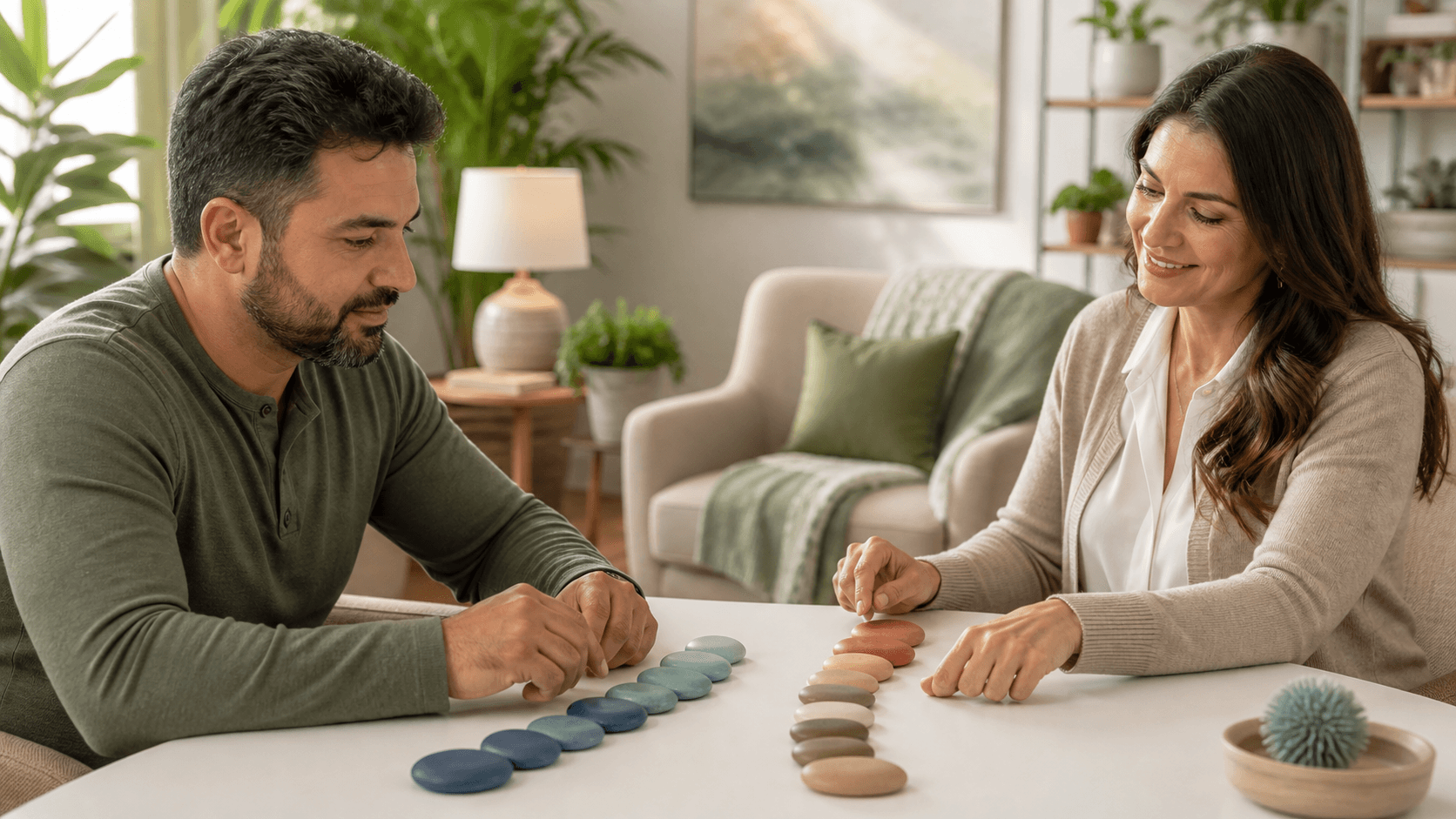
It helps to give your hands something else to do. Sensory substitutions can look neutral or even stylish, so they do not stand out at work.
Some options include:
- A smooth worry stone or small pebble in your pocket
- A textured bracelet or hair tie you can roll between your fingers
- A fidget ring that looks like simple jewelry
- A click pen or capped marker to hold and twist between your fingers
- A soft stress ball or fabric scrunchie in your lap during virtual meetings
When you feel the urge to pick, you can redirect your hands to these items. Over time, your brain can learn that there are other ways to release tension besides picking.
Other habits can interrupt picking before it spirals. You might try:
- Keeping bandages or liquid bandage at your desk so you can quickly protect spots
- Using hand cream or cuticle oil as a "reset" when you notice your hands start to wander
- Taking a brief movement break, like refilling your water, walking down the hall, or stretching
- Pairing common triggers, such as opening your email, with a deep breath and a quick body check
These tiny routines can become anchors in your day. They give you small chances to choose something kinder for your skin and your nervous system.
Digital and environmental supports can also help. You might:
- Set gentle reminder timers to check in with your body and breathing
- Place a small sticky note with a word like "Pause" or "Breathe" near your screen
- Adjust lighting so you are less focused on every mark or bump
Progress with anxiety-related skin picking often looks like fewer and shorter episodes, not zero urges. Reducing harm is still real progress.
Deciding Whether to Disclose at Work and How to Do It Safely
Sharing about anxiety-related skin picking at work is a very personal choice. There is no one "right" answer. Before you tell anyone, it can help to ask yourself:
- What do I hope to gain by sharing?
- How safe and supportive does my workplace usually feel?
- Have I seen any bias or stigma here?
- Would I feel more relieved or more stressed if others knew?
It is completely okay if you decide not to disclose. Your mental health story belongs to you.
If you do want to share, there are different levels of detail you can choose. You might stay general with something like, "I manage an anxiety condition that sometimes makes focus challenging, so I use a few tools in meetings that help me stay grounded." Or you might be more specific, such as, "I live with anxiety-related skin picking, so you may notice that I use fidget tools or take short breaks to help me concentrate."
You can also choose who you tell. Often people consider:
- A trusted supervisor
- An HR representative
- A close coworker or teammate
Planning a few talking points ahead of time can help. You might name your strengths, then share concrete supports that help, like:
- Option to have camera off in some meetings
- Flexible seating so you can sit near a door or aisle
- Permission to use quiet fidget tools
- Occasional remote work days during higher stress periods
Your message can be: "I care about my work, I am committed, and these tools help me show up at my best."
Managing Meeting and Travel Triggers Without Burning Out
Meetings can act like a magnifying glass for anxiety-related skin picking. Long or high-stakes meetings often mean less movement, more social pressure, and fewer private moments to reset.
To support yourself, you might:
- Ground before and after meetings with a few slow breaths
- Keep a discreet fidget in your lap or under the table
- Place your hands flat on your thighs or crossed, so they are less likely to wander
- Plan a short transition break between back-to-back calls, even if it is two minutes
For video and in-person presentations, small shifts can make a big difference:
- Adjust camera distance so you feel less "zoomed in"
- Practice a quick grounding exercise, like the 5-4-3-2-1 senses method, before speaking
- Keep a pen or note card in your hand to keep your hands busy
Work travel can also stir up picking urges. Triggers might include bright hotel bathroom lights, long flights, jet lag, and long stretches of downtime.
A "travel coping kit" might include:
- Bandages and gentle skincare items
- A couple of fidgets that pack easily
- A sleep mask and earplugs or noise-canceling headphones
- A small notebook to offload worries before bed
You can also plan ahead for:
- Movement breaks in airports or rest stops
- Aisle seats so you can get up without feeling trapped
- Short decompression time after big events or networking
These small steps can help you feel more grounded and less at the mercy of your urges.
Building a Long-Term Plan and Knowing When to Seek Support
As you read all of this, it is important to keep things realistic and gentle. You do not need to change your whole routine at once. It can help to start with one or two small changes this week, such as:
- Adding a discreet fidget tool to meetings
- Setting one daily 3-minute grounding break on your calendar
You can then notice how these shifts change your urges, your stress, or the time you spend picking.
If you notice that work stress, shame, or skin damage are getting worse, or you feel worn out from trying to handle it alone, that may be a sign that it is time for more support. Therapy can help you work on anxiety-related skin picking, OCD, perfectionism, and work-related stress with evidence-based tools. For adults in California and Michigan, we at Azra A. Kim, LCSW, LMSW, offer online therapy services that take your real work life into account, including meetings, deadlines, and travel, so you do not have to figure this out by yourself.
Take The First Step Toward Calmer Skin And Mind
If you are struggling with anxiety-related skin picking, you do not have to manage it alone. At Azra A. Kim, LCSW, LMSW, we work with you to understand your triggers and build practical, compassionate strategies for change. We invite you to reach out so we can explore what support could look like for you. If you are ready to begin, please contact us today.